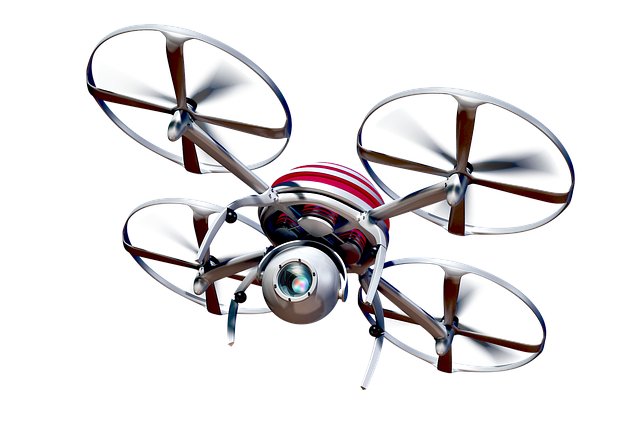
A drones become increasingly popular for recreational use and for commercial purposes, the security of public and private spaces is becoming a growing concern. Next generation anti-drone systems provide an effective solution for dealing with unwanted drones in the area, but what are the true benefits of these systems? In this blog post, we’ll explore the potential of next-generation anti-drone systems and how they can help increase security.
Advantages of Next-Generation Anti-Drone Systems
Next generation anti-drone systems can detect and intercept drones from much further away than traditional systems. This is made possible through RF DETECTOR technology, which is capable of scanning for RF signals from drones at a much greater range. RF DETECTOR technology also allows for much more accurate tracking of drones, as RF signals can be filtered out by type and other data that can easily be used to identify a drone. This not only improves safety but also increases the ability of anti-drone systems to detect threats from greater distances.
They also offer greater accuracy, with the ability to pinpoint the location of a drone and prevent it from entering sensitive areas. JAMMER systems are becoming increasingly popular for use in anti-drone defense. JAMMER systems can detect the presence of an unmanned aerial vehicle (UAV) from a far distance and jam its signal, preventing it from entering a designated space and allowing for quick reaction to potential threats. JAMMER systems have the ability to create exclusion zones, which will prevent a drone from entering the airspace designated by the JAMMER system. This technology is becoming increasingly important as drones become more capable and more widely used. JAMMER systems are a powerful tool in protecting sensitive spaces and keeping people safe.
In addition, they can be used to intercept multiple drones at once, quickly and efficiently clearing the airspace of threats In conclusion, an anti-drone system is a necessary security measure in order to protect against unauthorized unmanned aerial vehicles. Its RADAR system allows the system to detect and identify multiple drones at once, enabling a rapid response that is effective in clearing the airspace of any potential threats.
Technology Behind Anti-Drone Systems
Anti-drone systems use a combination of radar, visual and acoustic sensors to detect and track drones. RF detectors are especially important in this context, since they measure the RF signal of the drone and can therefore identify it based on its unique RF tag. RF detectors are an effective way to detect drones in a wide range of operating environments. Furthermore, RF Detectors allow the anti-drone system to effectively acquire the RF signal from multiple angles, making it possible to accurately track the drone and respond accordingly.
These systems employ a variety of countermeasures to disrupt the drone’s communication and navigation signals, as well as physically bringing them down. Anti-drone systems use a combination of RF jamming, laser systems, net guns, and other non-kinetic methods to limit drones from entering airspace where they are prohibited. RF jamming refers to the intentional blocking or disruption of RF communications between the drone and its operator. Additionally, laser systems can be used to temporarily blind the optical sensors on board most drones, causing them to return home or land safely. Finally, net guns have been increasingly deployed in scenarios where the drone needs to be retrieved intact. Anti-drone systems are becoming increasingly popular amongst government agencies and private organizations in order to protect against malicious actors and rogue drones.
The latest anti-drone systems also include Artificial Intelligence (AI) technologies to learn the patterns of drone flight behaviour and adapt accordingly Besides RF Jammer, the latest anti-drone systems also include Artificial Intelligence (AI) technologies to learn the patterns of drone flight behaviour and adapt accordingly. This ensures that the anti-drone systems are able to keep up with the speed and agility of modern drones, providing an effective countermeasure in a rapidly changing environment.
Enhanced Security and Protection With Anti-Drone Systems
Anti-drone systems provide an effective way to detect and defend against potentially dangerous drones. With the rising popularity of drones, it is becoming increasingly important to have reliable systems in place to be able to identify and repel any unwanted intrusions. These systems offer a comprehensive solution for defending against unwanted drones, offering detection, tracking, identification, and neutralization capabilities. Benefits include greater security for vulnerable areas, greater protection against malicious attacks, as well as a more efficient way of managing airspace. Anti-drone systems are an invaluable tool for creating a secure and safe environment for all.
Anti-drone systems can be used to protect critical infrastructure, sensitive locations, and other areas of high security. These systems are designed to detect, identify and mitigate unmanned aerial devices using sophisticated technologies such as RADAR. The RADAR system is capable of accurately detecting individual drones within a certain range, allowing for the system to track and classify the devices. This technology allows for real-time detection of drones, allowing secure locations to be protected from any potential threats. Furthermore, anti-drone systems can be quickly deployed in a variety of locations, providing security personnel with an added layer of protection.
These systems can also be used to monitor areas for illegal activity or suspicious behavior involving drones Again, RADAR-based anti drone systems can be used to monitor areas for suspicious, illegal activity involving drones. Not only do these systems help protect airspace from unauthorized drones, but they can also help identify threats in a timely and efficient way. This makes them an invaluable tool for a variety of industries, from military and commercial drone operations to national security applications.
The Future of Anti-Drone Security
Anti-drone systems are becoming increasingly important for security purposes as drones become more widely used. Such systems can typically detect and track a drone’s location using RADAR technology, providing both prevention and deterrence capabilities. They can then take control of the drone or repel it away from the monitored airspace. Anti-drone systems are essential for protecting sensitive areas such as government departments, military sites, airports and energy or industrial facilities. Furthermore, they can be used to protect public safety by providing a safe perimeter against malicious and unintentional intruders.
As technology advances, there are new opportunities for anti-drone systems to be integrated into existing security protocols. This is becoming more and more relevant as drones are increasingly being used for malicious purposes. By implementing an anti-drone system, it is possible to detect any potential drone threats, track them and even deploy countermeasures to neutralize the threat. Such systems could be integrated within existing security networks to provide a layer of protection against malicious drones. Furthermore, such systems offer a cost-effective solution compared to employing traditional security personnel. It is clear that anti-drone systems have great potential in improving existing security protocols and should be considered in any organization’s security strategy.
In the future, anti-drone systems may be able to detect and intercept drones before they reach their target destination Also, RF detectors have been gaining traction as a cost-effective way for anti-drone systems to detect and intercept drones in the near future. RF detectors are simple yet effective enough to identify RF signals from drones operating in the area and take appropriate action to take them down. Furthermore, RF detectors can be used in combination with other systems to ensure that drone threats are dealt with promptly and efficiently.
Wrapping up
In conclusion, next-generation anti-drone systems can provide an effective solution for dealing with unwanted drones in areas where security is a concern. With their increased capabilities and improved accuracy, these systems are able to track and identify drones quickly and easily, allowing for fast responses to potential threats or intrusions. With the increasing prevalence of drones in the airspace, it is important to ensure that security measures are kept up to date, and next-generation anti-drone systems can be an effective and efficient way of doing this.